

Thailand’s Visa Rumor Mill: Separating Fact from Fiction
May 15, 2026 – International Men of Leisure, the perennial topic of Thai visa policy is once again dominating group chats and social media feeds. Over the past few months, dramatic rumors have swirled: the Visa on Arrival program is supposedly on the chopping block, visa-free stays are about to vanish entirely.
Yes, changes to the visa system seem to be on the horizon, but nothing has officially changed.
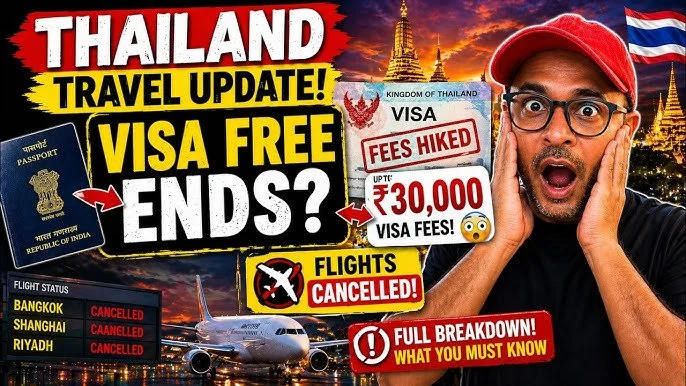
This morning we were once again flooded with misleading headlines. The Thaiger: Thailand confirms end to 60-day visa-free stays to attract quality tourists but did it? The article continues to say.. “ The proposal, confirmed by the Ministry of Tourism and Sports and the Foreign Ministry, is expected to go to Cabinet next week, and an official start date will be announced after approval.”

Just a reminder, twelve months ago every influencer on YouTube was pushing videos about the reversal of Thailands cannabis laws. “All the stores are being closed” “You’ll need a prescription” “No More Weed”
Before jumping further into this conversation lets look at some statistics- FYI, these are the same numbers that the Thai Government looks at (daily).
Thailand Tourism Statistics – Q1 2026 (January–March)
Thailand welcomed approximately 9.31 million international tourist arrivals in the first quarter of 2026.
This represents a decline of about 2.4–2.5% compared to the same period in 2025.
- Top Source Markets (Q1 2026):
- China: ~1.49 million
- Malaysia: ~960,000
- Russia: ~726,000
- India: Significant growth/contribution (part of broader efforts to attract more Indian visitors)
- South Korea, UK, Germany, USA, and Japan also notable, with long-haul markets often showing higher per-visitor spending.
- Monthly breakdown (approximate):
- January: ~3.28 million
- February: ~3.26 million
- March: ~2.78 million
- Total foreign population in Thailand (2026 estimate): Approximately 4.2 to 4.5 million people (roughly 6% of Thailand’s total population of ~71.5–71.8 million).
- The vast majority (~90%) are migrant workers from neighboring countries (Myanmar, Cambodia, Laos, etc.).
- The remaining ~400,000–450,000 include Western retirees, skilled professionals, families, students, and digital nomads — the classic "full-time expat" demographic popular in places like Bangkok, Pattaya, Chiang Mai, and Phuket.
Thailand continues to attract long-stay visitors through various visa options (including the Destination Thailand Visa and extensions), supporting a sizable expatriate community despite ongoing policy tweaks.
Note: These figures are based on data released in early April 2026 by the Ministry of Tourism and Sports. Tourism numbers can fluctuate with final revisions, and expat counts are inherently estimates due to varying registration and stay durations.
Just days ago, while some outlets hyped impending restrictions, Pattaya tourism leaders and the Indian business community were actively pushing initiatives to lure more Indian tourists to Thailand. Events aimed at boosting Indian arrivals, one of the kingdom’s key growth markets.
Why All the Confusion and Rumor Mongering?
The short answer: Thailand’s legislative process itself.
Pushing any bill or policy change into actual law is a long, multi-step journey that can take months — sometimes years. It almost always begins with a cabinet minister, department head, or senior official floating an idea during a meeting or interview. They might suggest tightening a rule, extending a benefit, or making a major policy shift.
That single comment then gets picked up instantly by social media, news sites, and YouTube channels. Within hours, headlines scream “Thailand to scrap Visa on Arrival!” or “60-day visa-free stay is ending!” — even though the proposal hasn’t gone through a single committee vote, let alone received full parliamentary approval or been published in the Royal Gazette.
This early-stage speculation is routinely presented as an “imminent rule change,” when in reality it’s often just one person’s opinion or an early discussion point. The Thai system requires multiple readings in the House and Senate, committee scrutiny, reconciliation between houses, royal assent, and finally publication in the Royal Gazette before anything becomes enforceable law.
That gap between a casual suggestion and actual legislation is exactly where most of the confusion and unnecessary anxiety is born.